Welcome to 2026. If you’re operating in the North West logistics corridor, you’ve likely noticed that the hum of the M62 and the M6 is sounding a little different lately. The shift toward zero-emission HGVs (ZEVs) isn't just a distant "green goal" anymore: it’s a reality being built right under our feet in Manchester, Liverpool, and across the Wirral.
At Adapt Logistics, we’ve been keeping a close eye on these developments. Whether you’re a fleet manager in Cheshire or a driver in Lancashire, understanding the current state of the HGV industry trends in 2026 is crucial for staying competitive and compliant. The landscape has changed rapidly over the last couple of years, and today, we’re breaking down exactly what you need to know about the transition to zero-emission trucking.
The 2035 and 2040 Mandates: Where Do We Stand?
The UK Government has set clear boundaries that are now steering every investment decision in the sector. By 2035, the sale of all new non-zero-emission HGVs up to 26 tonnes will be phased out. By 2040, that rule extends to every new HGV sold in the UK, regardless of weight.
As of April 2026, we are officially in the "acceleration phase." Large operators are no longer just trialling one or two electric rigs; they are integrating them into their daily regional distribution cycles. While SMEs are still navigating the high initial costs, the pressure from major retailers and local authorities to decarbonise supply chains means that even smaller hauliers in the North West are having to look at their five-year plans with a "green lens."
North West Infrastructure: Leading the Charge
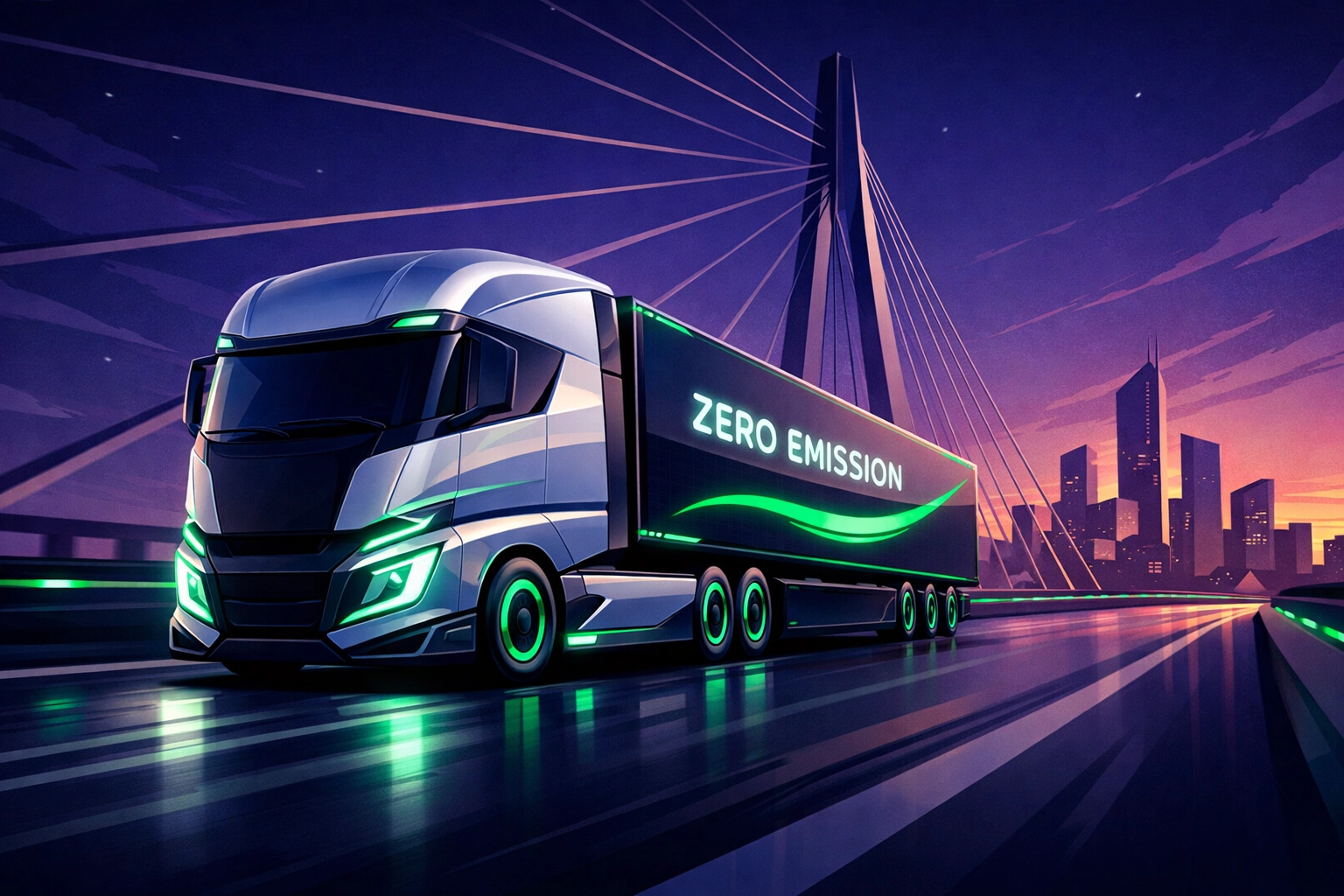
The North West has become a bit of a proving ground for zero-emission logistics. Thanks to our proximity to major ports like Liverpool and the massive industrial hubs of Manchester and Warrington, the region has been a primary beneficiary of government infrastructure projects.
The ZEHiD Program and Electric Freightway
One of the most significant movers in the industry has been the Zero Emission HGV and Infrastructure Demonstrator (ZEHID) program. Backed by £200 million in funding, this project has successfully deployed hundreds of battery-electric and hydrogen fuel cell vehicles across the country. In our region, the impact is visible.
We’ve seen the rollout of the Electric Freightway project, which has been a game-changer for long-haul logistics. With over 200 high-capacity chargers (some delivering up to 350kW) being installed at strategic points, the "range anxiety" that plagued the early 2020s is beginning to fade. For a driver heading from the Wirral to a depot in Lancashire, the ability to "splash and dash" with a high-speed charge during a mandatory break is now a functional reality.
The Warrington Success Story
Warrington has emerged as a central hub for this transition. Royal Mail’s deployment of electric HGVs at its Warrington parcel hub serves as a blueprint for the rest of the sector. These vehicles use ABB high-speed chargers that can provide 60 miles of range in just 15 minutes. It’s this kind of efficiency that makes zero-emission HGVs viable for the fast-paced world of North West logistics.
Financial Incentives: The 2026 Outlook
We know that the biggest hurdle for many of our partners is the price tag. An electric HGV can still cost significantly more than its diesel counterpart. However, there is help available.
The Plug-in Truck Grant was extended through March 2026, providing much-needed relief for those looking to upgrade their fleets. While the landscape of grants is always shifting, Adapt Logistics recommends staying updated on local Cheshire and Lancashire carbon reduction schemes that often offer supplementary funding for regional businesses.
Overcoming the "Power Gap"
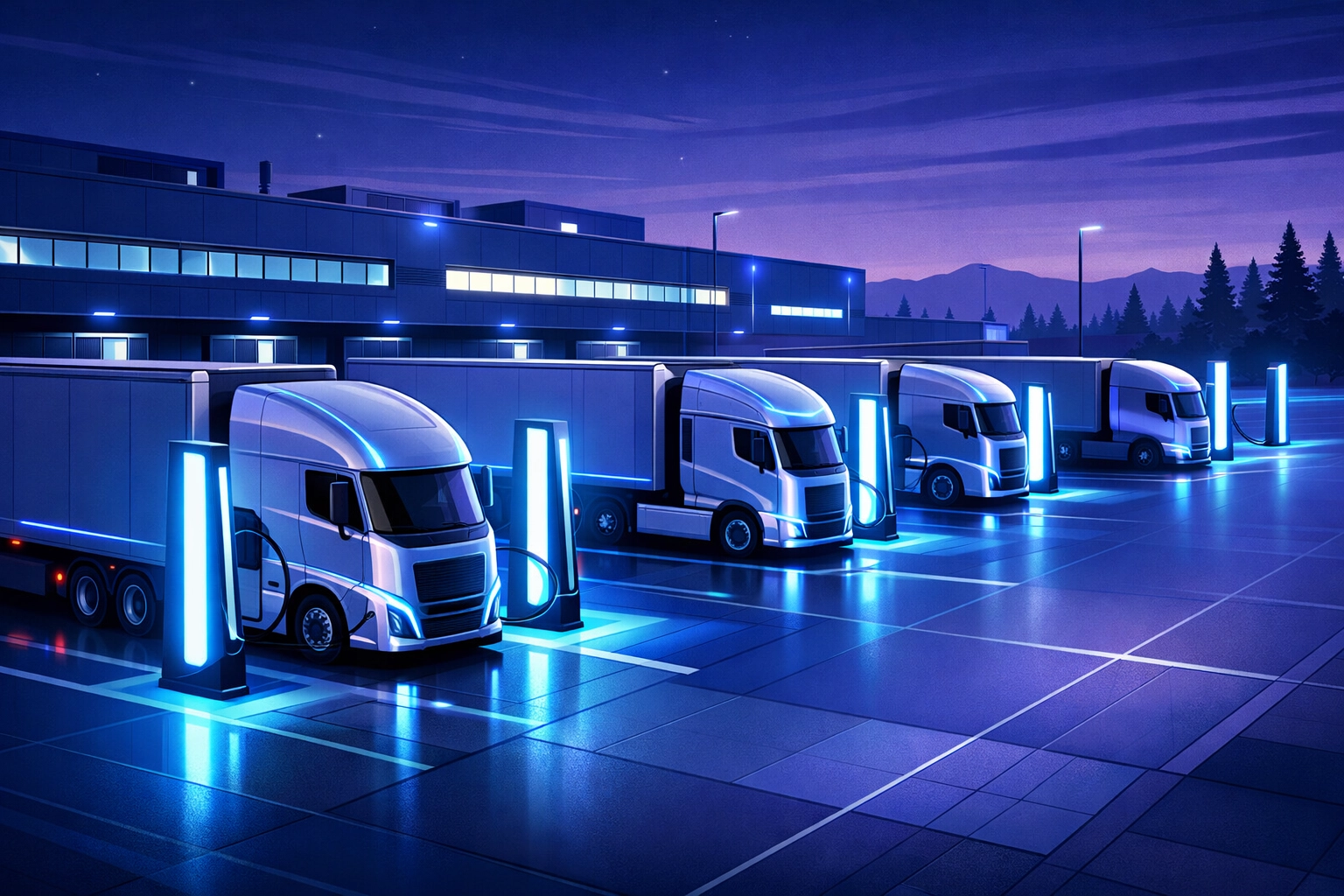
It’s not all smooth sailing. One of the biggest challenges we hear about at Adapt Logistics is site capacity. Roughly 80% of operators have reported difficulties in installing sufficient charging infrastructure at their own depots. The National Grid is working hard to keep up, but for a business in a crowded industrial estate in Liverpool or Manchester, getting the necessary power upgrade can be a long and expensive process.
This is why many North West firms are looking at a "technology-neutral" approach in the short term. This includes:
- HVO (Hydrotreated Vegetable Oil): A low-carbon fuel that can reduce emissions by up to 80% without requiring engine modifications.
- Hydrogen Fuel Cells: Particularly for heavy-duty, long-distance work where battery weight remains a concern.
- Public Charging Hubs: Shifting from "back-at-base" charging to utilizing the growing network along the M6 and M62 corridors.
The Impact on HGV Drivers
For the drivers themselves, the transition to zero-emission HGVs is a significant shift in the daily grind. Electric trucks offer a much quieter, smoother ride with instant torque, which can actually reduce driver fatigue over a long shift. However, they also require a new set of skills.
Drivers now need to be "energy managers," understanding how to optimize regenerative braking and plan routes around charging stops. At Adapt Logistics, we are seeing an increasing demand for drivers who are familiar with these new technologies. You can find out more about the latest opportunities in our driver hub.

Preparing Your Business for a Greener Future
If you are a logistics operator in the North West, 2026 is the year to move from "watching" to "acting." Here’s what we suggest:
- Audit Your Routes: Identify which regional routes (e.g., Manchester to Liverpool) are most suitable for current electric vehicle ranges.
- Assess Your Power: Speak to your landlord or local grid provider about your depot's power capacity sooner rather than later.
- Invest in People: Ensure your team: both in the office and behind the wheel: understands the technical requirements of ZEVs.
The transition to zero-emission HGVs is a marathon, not a sprint. But with the infrastructure growing across the North West and the 2035 deadline drawing closer, those who adapt early will be the ones leading the pack.
Whether you are looking to staff a newly electrified fleet or you are a driver looking to stay ahead of industry trends, we are here to help you navigate these changes. Stay tuned to our industry insights for the latest updates on how the North West is driving the future of UK logistics.
Need reliable drivers or looking for HGV work in the North West? Call Adapt Logistics on 07787 851 079.